No se ha encontrado ningún artículo.

EP 10. Future of Talent: The AI Skillset

What does it really take to move from flashy AI demos to production-ready business value?

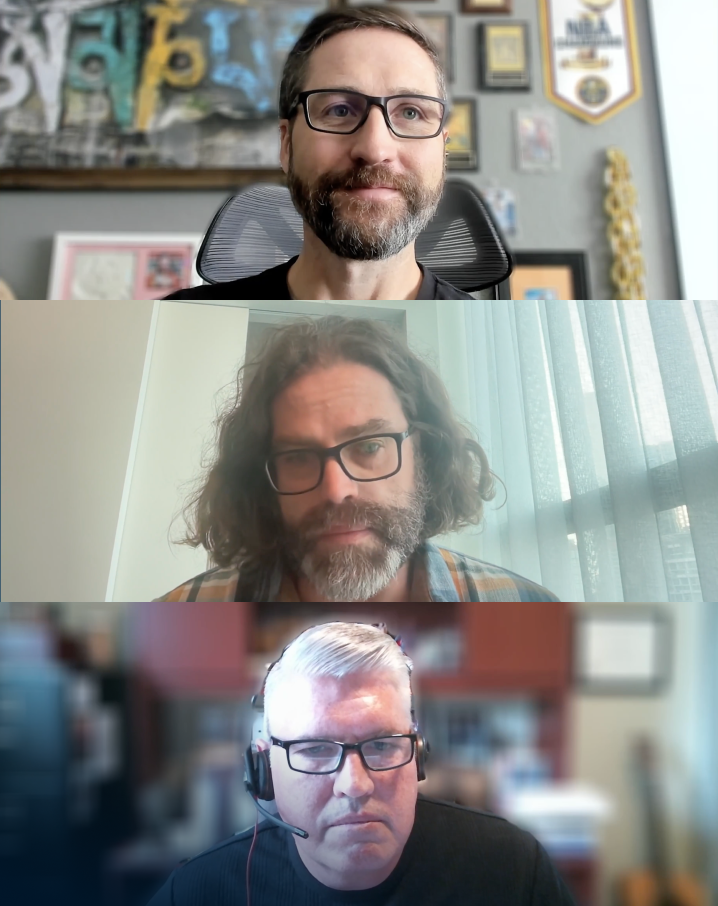
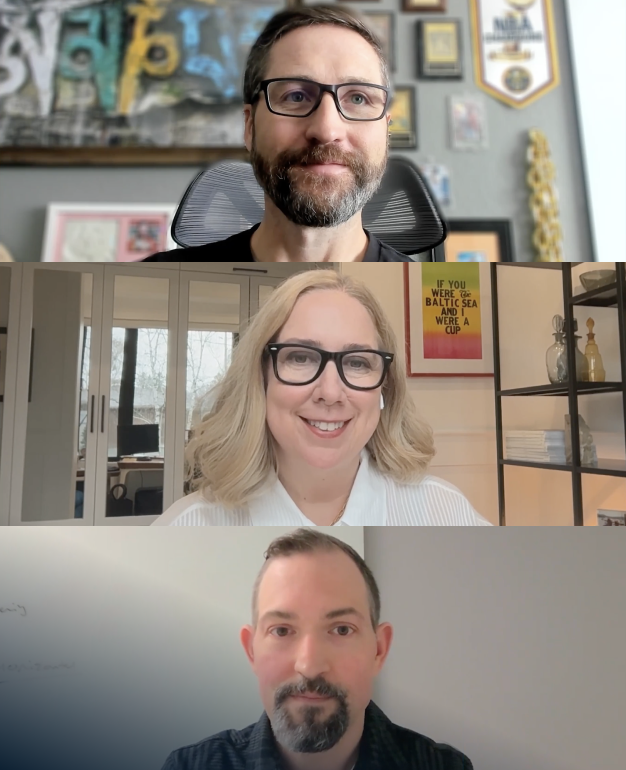
In this episode of Blend Evolve, Caroline Caldwell is joined by Erik Wischhusen, Steven Tom, and Celia Wanderley for a sharp, future-focused conversation on how AI is changing not just the tools we use, but the way teams work, build, and scale. Together, they explore the rise of agentic engineering, why many organizations are still stuck in outdated mental models, and what it means to evolve from simply writing code to building real solutions that are trustworthy, scalable, and outcome-driven.

The discussion goes beyond productivity gains and into what is now possible with AI. From parallel agent workflows and human orchestration models to evaluation frameworks, production discipline, and the redesign of team structures, this episode offers a practical lens for leaders trying to build AI-ready organizations. It is a valuable listen for anyone navigating AI transformation and wondering what skills, mindsets, and operating models will matter most next. 

Key Takeaways:

  • Agentic engineering is changing the speed and scale of delivery: The conversation highlights a major shift from incremental productivity gains to dramatically higher throughput, with AI enabling teams to build and execute at a pace that was previously out of reach. 
  • The real bottleneck is no longer just tooling: Many organizations are still operating with old mental models, using AI in a one-task-at-a-time way instead of designing for parallel work, multi-agent collaboration, and new operating structures.
  • The role of technical talent is evolving: The future skillset is less about writing every line of code and more about defining outcomes, understanding business context, guiding workflows, and describing what good looks like. 
  • Human in the loop is important, but it does not scale by itself: The group makes a strong case that organizations need to be thoughtful about where human oversight belongs, what should be automated, and how trust is earned through design rather than added at the end. 
  • Evals and governance must be built in from the start: Trustworthy AI cannot be an afterthought. Leaders need mechanisms to measure accuracy, completeness, improvement, and reasoning from the beginning if they want pilots to become production systems.
  • AI teams should not be built as one-size-fits-all groups: Strong AI teams require a mix of capabilities, from orchestration and safety to evals, context design, and AI operations. The episode challenges leaders to think beyond simply hiring more AI engineers.
  • This is an operating model transformation, not just an upskilling exercise: One of the strongest themes in the episode is that organizations need to rethink workflows, collaboration patterns, and team design across engineering, product, design, and adjacent functions. 
  • The biggest unlock comes from an abundance mindset: Rather than simply improving existing processes, the speakers encourage leaders to reimagine how work gets done when AI makes entirely new levels of speed, experimentation, and scale possible.

Meet the Host

Linkedin
Head of Marketing

Caroline Caldwell
Linkedin
Head of Marketing

Caroline Caldwell is Head of Marketing at Blend, where she built and scaled the global marketing function to position the company as a leader in AI services. With experience spanning Oracle, Merkle, and high-growth ventures, she specializes in transforming emerging technologies into scalable, revenue-driving marketing engines. Caroline is passionate about helping enterprises operationalize AI at scale and building teams that turn bold vision into measurable growth.

Conozca a los invitados

Erik Wischhusen
Linkedin
Head of Data Engineering

Erik Wischhusen is a senior technology leader at Blend, where he leads engineering initiatives within our AI Engineering and Science delivery team, focused on implementing data platform modernizations, building intelligent applications, and delivering actionable insights. With more than 20 years of experience spanning engineering leadership, enterprise platform development, and system integration, Erik has led high-performing teams in financial services and digital consulting environments. His background includes data and application architecture, marketing technology, content platforms, and large-scale engineering transformation.

Steven Tom
Linkedin
Head of Data Science

Steven Tom is Head of Data Science at Blend, where he leads a fast-growing organization of AI engineers, data scientists, and business intelligence consultants delivering advanced AI, agentic, and analytics solutions for Fortune 500 clients. He is an accomplished executive with deep experience at the intersection of technology, product innovation, analytics, and strategy, with a track record of building high-performing teams, launching new capabilities, and driving business growth. Prior to Blend, Steven held senior leadership roles across education, analytics, and transformation-focused organizations, including Adtalem Global Education and Laureate International Universities.

Celia Wanderley
Linkedin
VP of Data AI Engineering

Celia Wanderley is Vice President of AI Engineering at Blend, where she co-leads the AI Engineering function and the firm’s Agentic Workflows services, helping enterprises build intelligent applications and transform business processes through responsible, scalable AI. With more than 25 years of experience across AI strategy, enterprise architecture, digital transformation, and large-scale technology delivery, she has advised public- and private-sector organizations on innovation, modernization, and AI adoption. Prior to Blend360, Celia held senior leadership roles at Bits In Glass, AltaML, and Deloitte, and was recognized with the Women in AI North America AI Innovator of the Year Award in 2023.

Explora más episodios

EP 9. El cambio de agencia: cuando la IA se convierte en un canal de comercio

Presentando

Caroline Caldwell

El episodio 9 explora el cambio de agencia: un momento en el que la IA deja de ser una herramienta y se convierte en un nuevo canal para la interacción con los clientes y el comercio. A medida que las interfaces conversacionales y los agentes de inteligencia artificial modifican la forma en que las personas investigan, evalúan y compran productos, las empresas deben replantearse la forma en que diseñan las experiencias, conectan sus datos y representan su marca. Ryan Serpan y Jordan Cardonick se unen a la presentadora Caroline Caldwell para hablar sobre lo que significa esta transformación para la experiencia del cliente, la medición y el futuro del comercio digital.

Episodio 8: La paradoja de la IA: Confiar en la inteligencia a escala con David Reed de DataIQ

Presentando

Mezcla

El equipo directivo de Data IQ y Blend se enfrenta a la paradoja del valor de la IA: por qué la inversión empresarial masiva en IA a menudo conduce a proyectos piloto en lugar de una transformación real. La conversación explora cómo las organizaciones pueden ir más allá de la experimentación: reinventando los flujos de trabajo, fortaleciendo las bases de los datos y estableciendo las barreras adecuadas para escalar los sistemas de agencia y lograr un impacto empresarial mensurable.

EP 7: La mina de oro de los datos escondida en los pagos

Presentando

Mezcla

En este episodio, Alex conversa con Rob y Donald para analizar cómo la IA podría remodelar los pagos y las finanzas integradas, haciendo que las integraciones sean más fluidas, acelerando los ciclos de transacciones y desbloqueando nuevas experiencias de valor agregado a partir de datos a nivel de red (especialmente en viajes y fidelización).

EP 6: Principios de diseño para un futuro agencial

Presentando

Mezcla

En este episodio, Alex conversa con Donald para analizar lo que significa diseñar para un futuro de agencia, especialmente en categorías de alto riesgo, como los servicios financieros. Donald sostiene que, si bien los principios de diseño siempre han existido, la IA hace que no sean opcionales: los equipos tienen que volver a los principios básicos constantemente a medida que los productos pasan de ser pantallas estáticas a experiencias adaptativas y, a veces, no visuales. También predice una inversión importante en el flujo de trabajo: la IA permite la creación de prototipos casi al instante, de modo que las organizaciones pueden pasar de la idea a la experiencia en cuestión de minutos y, después, refinar el diseño de forma intencionada, en lugar de esperar a que el ciclo de creación sea largo.